
Trusted Brand | Sustainable | Award-Winning Designs
Clay Jali: Terracotta Clay Jali, Tiles, Blocks & Manufacturers in India
Crafted by Golden Bricks Co., our clay jali brings together tradition and modern architecture—natural cooling, stunning designs, and timeless strength.
- Balaji Bricks & Tiles Village Chhat SAS Nagar (Punjab)
At Golden Bricks Co., we make modern interiors practical—combining clay craftsmanship with designs that fit your lifestyle and budget.
Interior Solutions Owner & Co-Owner
ISO Certified
Golden Bricks Co. – Clay Jali Experts Based in India
At Golden Bricks Co., we’ve redefined how modern spaces breathe and feel. With our handcrafted clay jali designs, we combine traditional craftsmanship with contemporary aesthetics—creating homes and buildings that stay cooler, brighter, and smarter. Trusted by architects, loved by homeowners, and built to last, our solutions prove that sustainability can also be stylish.
Whether it’s a dream home or a large-scale project, our clay jali brings beauty, function, and long-term value to every space.
Introduction: Why Clay Jali Is Making a Strong Comeback
If you've spent even a little time around architects, builders, or design-savvy homeowners lately, you've probably heard one term pop up again and again — clay jali. And honestly, it's not just a trend. It's a return to something India has always done brilliantly: climate-responsive, breathable, and beautiful architecture.
After working in the building materials space for over 10 years, I've seen materials come and go. But terracotta clay jali has stayed relevant for one simple reason — it works. It cools buildings naturally, adds character to facades, and fits perfectly into both traditional and modern designs.
In this detailed guide, I'll break down everything you need to know about clay jali tiles, clay jali blocks, pricing, applications, and how to choose the right clay jali manufacturers in India — especially if you're planning a project and want real value, not just good looks.
What Is Clay Jali and Why Architects Love It
At its core, clay jali is a perforated architectural element made from natural clay. These perforations allow air, light, and ventilation while maintaining privacy and reducing heat gain.
Why architects keep recommending clay jali blocks:
- ✓ Natural cooling without electricity
- ✓ Excellent airflow and daylight control
- ✓ Sustainable and eco-friendly material
- ✓ Strong visual appeal for facades and partitions
- ✓ Low maintenance and long lifespan
Unlike synthetic screens, terracotta clay jali ages gracefully. Over time, it develops a natural patina that actually enhances its character rather than ruining it.
Terracotta Clay Jali: Traditional Material, Modern Performance
Terracotta clay jali deserves its own spotlight. Terracotta has been used in Indian construction for centuries, and for good reason. It's fired clay — durable, breathable, and naturally insulating.
From my experience on commercial and residential projects, terracotta clay jali performs exceptionally well in:
- Hot and dry climates
- Urban buildings needing passive cooling
- Sustainable architecture projects
- Luxury villas and premium commercial spaces
Another underrated advantage? Terracotta doesn't trap heat like concrete or metal. That means interiors stay cooler, and energy bills stay lower. Not bad for something that also looks stunning.
Clay Jali Tiles vs Clay Jali Blocks: What Should You Choose?
This is one question I get asked all the time. Let's clear it up.
Clay Jali Tiles
Thinner, lighter, and ideal for aesthetic applications
Best For:
- Interior partitions
- Balcony railings
- Decorative walls
- Renovation projects where load matters
Perfect when aesthetics are the main focus
Clay Jali Blocks
Thicker, sturdier, and meant for structural applications
Best For:
- Exterior facades
- Boundary walls
- Staircase enclosures
- Large architectural elevations
Choose this for strength and long-term durability
Clay Jali Blocks Price: What Influences the Cost?
Let's talk numbers, because pricing matters.
The clay jali blocks price in India usually depends on:
Design Complexity
Simple vs intricate patterns
Size & Thickness
Larger blocks cost more
Clay Quality
Premium clay = higher cost
Manufacturing
Handcrafted vs machine-made
Order Quantity
Bulk orders get discounts
Average Price Range
Custom designs or premium finishes may cost more — but they also elevate the entire project visually.
From a cost-benefit perspective, clay jali offers excellent ROI. You're not just buying a decorative element; you're investing in natural cooling, energy savings, and timeless design.
Where Clay Jali Is Commonly Used Today
Modern architecture has found countless creative uses for clay jali. Some of the most effective applications include:
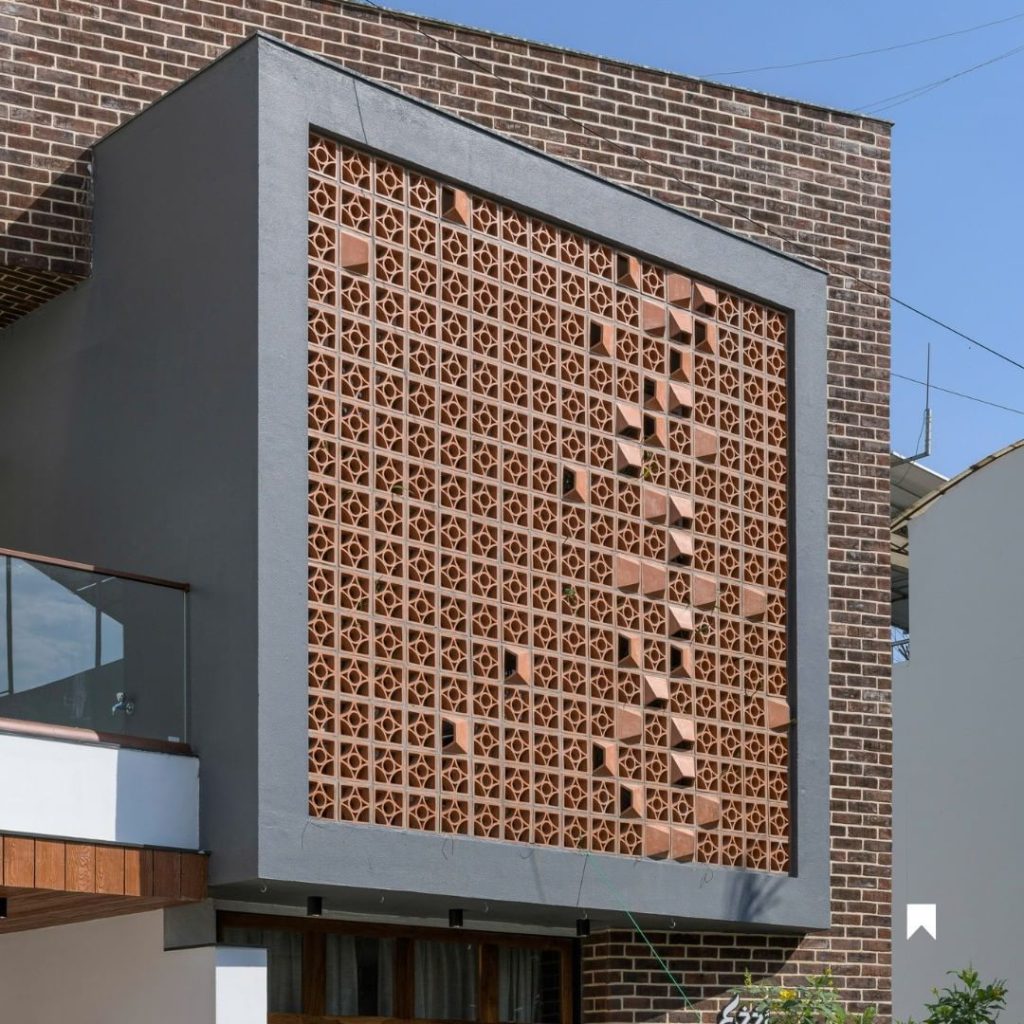
🏢 Building Facades
Airflow and heat reduction on exterior walls
🏛️ Office Partitions
Natural light without sacrificing privacy
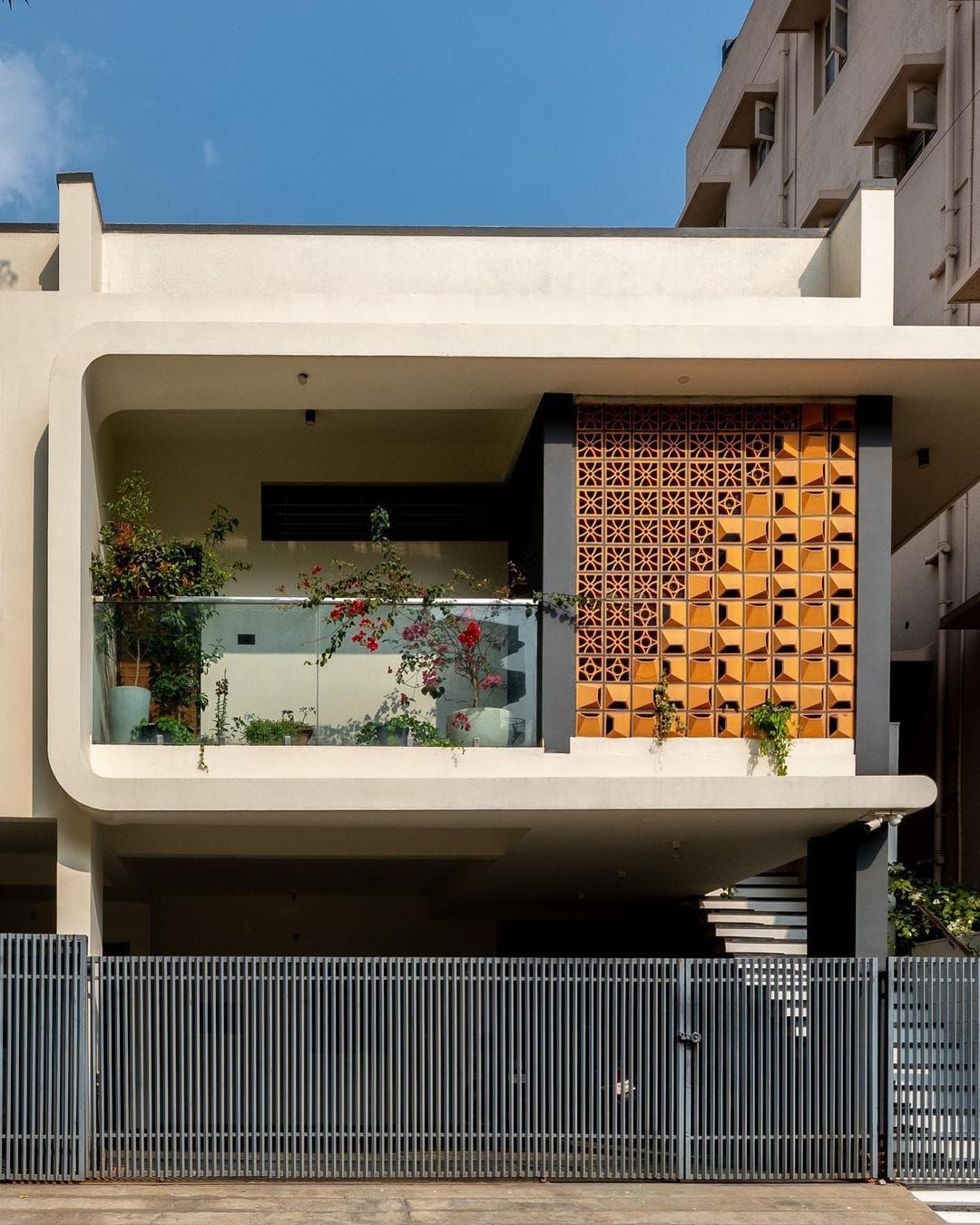
🌿 Balcony Screens
Open feel without feeling boxed in
🪜 Staircase Enclosures
Dramatic light patterns and ventilation
🧱 Boundary Walls
Premium look with natural ventilation
I've personally seen commercial buildings reduce indoor temperatures noticeably just by installing clay jali on west-facing elevations. That's passive design at its best.
Choosing the Right Clay Jali Manufacturers in India
Not all clay jali is created equal. Choosing reliable clay jali manufacturers is critical if you want consistent quality and timely delivery.
What to Look For:
A good manufacturer won't just sell you blocks — they'll guide you on patterns, spacing, and installation best practices. That guidance can save you time, money, and headaches on-site.
Why Clay Jali Is a Smart Investment for Builders & Architects
From a commercial standpoint, clay jali adds perceived value to a property. Buyers and tenants notice breathable design, natural light, and unique facades.
Higher Aesthetic Appeal
Sustainable Credentials
Lower Energy Costs
Strong Differentiation
In competitive real estate markets, details like terracotta clay jali often become the deciding factor.
Conclusion: Build Smarter with Clay Jali
To sum it up, clay jali, whether in the form of clay jali tiles or clay jali blocks, is more than just a design element. It's a functional, sustainable, and commercially smart choice.
If you're planning a residential, commercial, or architectural project and want something that blends tradition with performance, clay jali is hard to beat.
👉 Looking for High-Quality Clay Jali?
Explore trusted manufacturers, discuss your project needs, and choose solutions that add long-term value — not just surface beauty.
FAQs About Clay Jali
What is clay jali used for?
Clay jali is used for facades, partitions, balconies, boundary walls, and ventilation screens to improve airflow and reduce heat.
Is terracotta clay jali suitable for outdoor use?
Yes, terracotta clay jali is highly durable and performs very well in outdoor conditions.
What is the average clay jali blocks price in India?
Clay jali blocks price typically ranges between ₹150 and ₹400 per piece, depending on design and quantity.
Are clay jali tiles strong enough for exterior walls?
Clay jali tiles are better suited for interiors or low-load applications. For exteriors, clay jali blocks are recommended.
How do I choose the best clay jali manufacturers?
Look for experience, consistent quality, customization options, and reliable delivery support.
Is clay jali eco-friendly?
Absolutely. Clay jali is made from natural materials and supports passive cooling, reducing energy consumption.
How to install clay jali blocks?
Clay jali blocks can be installed using standard masonry techniques with mortar. Ensure proper spacing for ventilation and consult with your manufacturer for specific installation guidelines.
What is the lifespan of terracotta clay jali?
With proper installation and minimal maintenance, terracotta clay jali can last 25-50 years or more, developing a beautiful natural patina over time.
Can clay jali be painted or customized?
Yes, clay jali can be painted, though most architects prefer its natural terracotta finish. Custom designs, patterns, and sizes are also available from most manufacturers.
Our Recent
Award-Winning Clay Jali Projects
At Golden Bricks Co., every project is a blend of craftsmanship, sustainability, and innovation. Our clay jali solutions have been recognized for transforming homes and commercial with designs that are as functional as they are stunning.
These awards stand as proof that when tradition meets modern architecture, the results are unforgettable.
- Residential Villas with Clay Jali Facades
- Eco-Friendly Office Interiors
- Modern Balcony
Testimonials
What Our Clients Say